Economical Replacement Automotive Components: Maximize Your Vehicle's Performance
Wallet-friendly OEM alternative auto parts function as a credible selection for motorists hoping to augment their vehicle's performance. Providing assortments among premium-grade air filters to superior exhaust systems, these assemblies can produce significant improvements in handling and mileage. Scrutinizing these parts requires judicious consideration of quality and compatibility. As car aficionados probe these modifications, they commonly discover both hurdles and successes. The journey of upgrading a vehicle can culminate in surprising conclusions that deserve deeper examination.
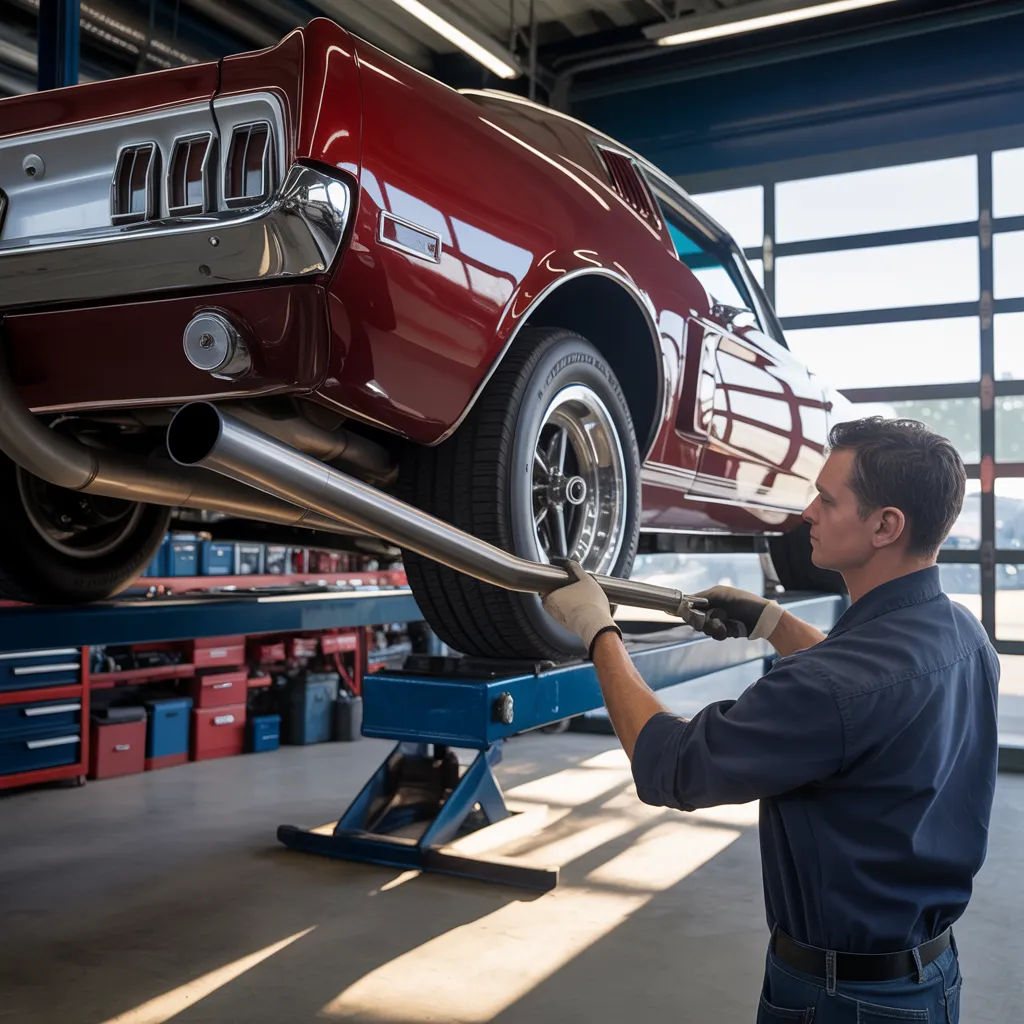
What do you know about aftermarket vehicle parts?
Aftermarket auto parts are components manufactured by companies other than the original equipment manufacturer (OEM). These parts serve as alternatives to OEM components, often made to meet specific market demands or performance criteria. Available for a wide range of vehicles, aftermarket parts can include anything from brake pads and exhaust systems to entire engine assemblies.
The secondary parts market encompasses a extensive selection of suppliers, stretching from small firms to major firms, each supplying innovative merchandise. These components may diverge in excellence, value, and capability against their OEM alternatives. While some secondary components are intended for enhancing car efficiency or modification, several try to supply economical remedies for repairs. End users often choose aftermarket parts for their ease of access, diversity, and savings opportunities, establishing them as a key component of the automotive industry.
Advantages of Enhancing Affordable Choices
Converting to economical aftermarket auto parts can greatly enhance a vehicle's performance and longevity, especially when considering financial restrictions. These materials often furnish a reasonable alternative to OEM items while presenting comparable quality and efficiency. The employment of aftermarket options can lead to improved handling, improved gas economy, and increased horsepower, positioning them as an compelling option for value-minded motorists pursuing performance upgrades.
Additionally, many cost-effective replacement parts are designed with cutting-edge technology, ensuring compatibility with newer vehicle models. This allows for enhanced personalization, enabling owners to adapt their vehicles to specific driving needs or choices. Moreover, accessing a broader range of products can foster innovation, as manufacturers frequently introduce upgraded materials and designs. Ultimately, choosing cost-effective replacement options not only supports vehicle enhancement but also promotes a more enjoyable driving experience without taxing financial resources.
Popular Categories of Budget-Friendly Aftermarket Parts
Broad selections of inexpensive aftermarket auto parts serve various automotive needs and preferences. One favored category features efficiency-boosting parts, which improve engine efficiency and responsiveness. These pieces, such as intake components and tailpipe systems, can substantially increase a car's power output. Another key segment involves suspension parts, which support smoothness and steering. Reinforced shock absorbers and springs can give improved stability and comfort.
Also, visual modifications, like custom wheels and body upgrades, allow car owners to personalize their vehicles while commonly improving performance. Light enhancements, including LED headlights and taillights, also fall within this group, improving visibility and safety. Finally, interior accessories, such as seat covers and floor mats, offer comfort and style. By examining these options, car enthusiasts can discover budget-friendly choices that satisfy their performance and visual preferences, improving their overall driving enjoyment.
Criteria for Evaluating Aftermarket Parts Quality
When evaluating the standard of aftermarket auto parts, several key criteria come into play. First, material quality is essential; high-grade materials typically result in better longevity and functionality. Compatibility with the specific vehicle model is another vital factor; parts should fit seamlessly without requiring modifications.
Also, brand prestige constitutes a notable influence; time-tested manufacturers consistently extend quality assurance through customer reviews and industry certifications. Rigorous performance testing is similarly indispensable; reputable aftermarket parts should have endured rigorous testing to guarantee they meet safety and efficiency standards.
Finally, warranty offerings can indicate product reliability; a strong warranty demonstrates the manufacturer's confidence in their product. Assessing these factors helps buyers choose wisely, guaranteeing they choose replacement components that enhance their vehicle's performance without compromising safety or longevity.
Do-It-Yourself vs. Professional Installation Best Practices?
When examining the fitting of affordable replacement vehicle components, people must first evaluate their skill level to determine if a DIY method is viable. Moreover, the equipment required for installation can substantially influence the decision between tackling the job yourself or hiring professional help. Recognizing these considerations guarantees a easier procedure and optimal results.
Measuring Your Skill Level
How can one assess whether to undertake an auto part installation as a DIY project or to obtain professional assistance? First, evaluating one's own mechanical skills is essential. Individuals with a background in automotive work may feel confident undertaking basic jobs, such as replacing air filters or brake pads. Conversely, those lacking experience might find complex installations intimidating and risky. Analyzing the complexity of the part is also important; intricate systems often require specialized knowledge and tools better suited for professionals. Additionally, considering scheduling limitations is significant; DIY projects can be lengthy, while professionals can finish installations efficiently. Ultimately, weighing personal skill level against the task's demands will guide the decision between DIY and professional installation.
Tools Essential For Setup
Determining the necessary tools for auto part installation is essential for both DIY enthusiasts and experts. A basic toolkit should contain wrenches, sockets, screwdrivers, pliers, and a jack. Additionally, specialized tools may be required depending on the specific part being fitted, such as torque wrenches for accurate fittings or O2 sensor sockets for exhaust work. For DIYers, having a repair manual can offer guidance on the tools required for each specific job. Professionals often have a more extensive range of tools, enabling for quicker and more efficient fittings. Ultimately, whether opting for a DIY project or hiring a expert, ensuring the right tools are on hand can significantly impact the fitting process and overall functionality of the vehicle.
Creating a Budget for Modifications
When budgeting for modifications, it is vital to set clear priorities to ensure funds are allocated effectively. Researching cost-effective options can further help enthusiasts maximize their investment while achieving wanted improvements. This approach not only protects finances but also improves the overall modification experience.
Establishing Specific Priorities
Setting well-defined priorities is crucial for traversing the automotive modification landscape. Individuals should first identify their main objectives, whether boosting power, improving aesthetics, or strengthening reliability. Each goal demands a distinct distribution of budget and materials. A comprehensive assessment of the car's existing state and planned purpose can aid in determining which modifications will provide the greatest advantages. As an example, a performance-focused driver may prioritize engine upgrades, whereas another seeking aesthetic improvement might concentrate on exterior enhancements. By ordering these objectives, fans can create an structured budget that reflects their requirements and desires. This method helps avoid impulsive spending on unneeded components and guarantees that investments match the complete picture for the automobile.
Analyzing Budget-Friendly Alternatives
Numerous enthusiasts recognize that effective budgeting is essential when researching affordable options for car upgrades. A clear budget not only helps rank modifications but also guides the selection of aftermarket parts that enhance performance without overspending. Hobbyists are analysis encouraged to compare prices across various retailers, both online and in-store, to find the best deals. Additionally, exploring reviews and forums can provide insights into the dependability and performance of specific parts, ensuring smart choices. By considering used or refurbished components, one can further extend their budget while still achieving desired upgrades. Ultimately, a strategic approach to budgeting allows car enthusiasts to achieve their performance goals while maintaining financial stability.
Aftermarket Auto Parts Success Examples
Aftermarket auto parts have transformed countless vehicles, offering both affordability and performance upgrades. Many car enthusiasts have reported significant improvements in their vehicles after incorporating these parts. For example, a local technician shared a story about a customer who enhanced their sedan with aftermarket exhaust and suspension systems. This upgrade not only boosted horsepower but also enhanced handling, making the car feel more responsive on the road.
A budget-conscious driver's positive example described replacing their factory air filter with a high-performance variant. This basic alteration yielded improved fuel efficiency and a clear increase in acceleration.
In addition, a well-known internet forum displays numerous feedback from drivers who have effectively tailored their vehicles using replacement wheels and brakes. These enhancements not only improved functionality but also added a individual touch to each vehicle, proving that aftermarket parts can efficiently harmonize cost and quality while improving comprehensive ride journeys.
Often Asked Inquiries
Are Third-party Parts Protected by Producer Guarantees?
Aftermarket components are generally not included by manufacturer warranties. However, if they cause harm to the automobile, the warranty may be invalidated. Consumers should thoroughly review their coverage provisions before adding aftermarket parts.
How Do I Locate Established Aftermarket Parts Manufacturers?
To find reliable aftermarket parts suppliers, one should research online reviews, obtain suggestions from car professionals, and verify certifications. Evaluating costs and warranties can also help ensure excellence and reliability in purchased components.
Will non-OEM Parts affect My Vehicle's trade-in value?
Aftermarket parts can effect a vehicle's resale value. High-quality parts may enhance value, while substandard options could discourage buyers. Ultimately, the track record of the parts and the vehicle's overall condition establish resale potential.
Should I Combine Aftermarket and OEM Parts Together?
Yes, individuals can combine aftermarket and OEM parts. However, compatibility, performance, and warranty consequences must be considered. Proper research is essential to guarantee that the mixture meets safety and functionality standards for optimal vehicle performance.
Do Lawful Requirements Exist for Aftermarket Upgrades?
Yes, legal requirements for vehicle modifications are established. They vary by area and may incorporate quality standards, emission requirements, and insurance implications. Motorists should research jurisdictional regulations to guarantee modifications fall within legal guidelines.